
BLog
💳 Prepaid Debit Cards – A Complete Guide 1
Jul
💳 Prepaid Debit Cards – A Complete Guide
🌟 Introduction
Prepaid debit cards have become one of the fastest‑growing financial tools worldwide. The global prepaid card market was valued at $3.6 trillion in 2024 and is projected to reach over $21 trillion by 2034, reflecting nearly 20% annual growth. Unlike traditional debit or credit cards, prepaid cards are not linked to a bank account or credit line. Instead, you load funds in advance and spend only what’s available — eliminating overdraft risks and debt.
In today’s fast‑paced financial world, prepaid debit cards have become one of the most versatile tools for managing money. Unlike traditional debit or credit cards, prepaid cards are not tied to a bank account or credit line. Instead, you load funds onto the card in advance and spend only what’s available — making them a safe, controlled, and debt‑free way to pay.
This unique structure has made prepaid cards especially popular among people who want budgeting discipline, secure online shopping, and financial independence. For the unbanked or underbanked, prepaid cards provide access to digital payments without the need for a checking account. For travelers, they offer a safer alternative to carrying cash abroad. And for parents, they serve as a smart way to give teens spending money while keeping limits in place.
The global prepaid card market is booming. Analysts estimate it will grow from $3.6 trillion in 2024 to over $21 trillion by 2034, driven by the rise of e‑commerce, mobile wallets, and digital banking alternatives. Consumers are increasingly drawn to prepaid cards because they combine the convenience of plastic with the security of cash control.
But prepaid debit cards aren’t just about convenience — they’re also about protection. Many cards come with fraud safeguards, chip technology, and even virtual card options for online purchases. This makes them a powerful tool for anyone who values financial safety and flexibility.
🔑 Key Features
- No bank account required – Accessible to unbanked or underbanked individuals.
- Preloaded funds only – You can’t spend more than your balance.
- Wide acceptance – Cards issued by Visa, Mastercard, Amex, or Discover work globally.
- Budget control – Perfect for setting strict spending limits.
- Safer than cash – Useful for travel and online shopping.
💡 Types of Prepaid Cards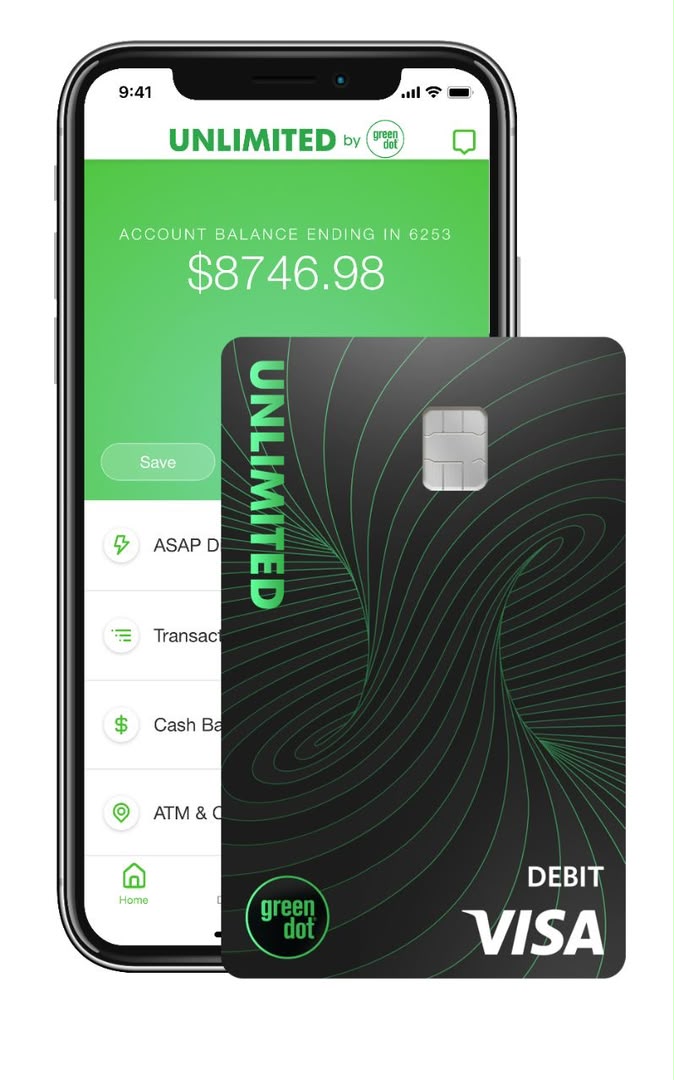
- Physical prepaid cards – Plastic or metal cards used in stores and ATMs.
- Virtual prepaid cards – Digital cards for online purchases.
- Single‑use virtual cards – Disposable numbers for maximum security.
📊 Prepaid vs Other Payment Options
| Feature | Prepaid Debit Card | Checking Account Debit Card | Credit Card |
|---|---|---|---|
| Bank Account Required | No | Yes | Yes |
| Spending Limit | Balance loaded | Account balance | Credit line |
| Debt Risk | None | Low | High |
| Fees | Reload, ATM, monthly fees | Overdraft fees | Interest, late fees |
| Best For | Budgeting, travel, unbanked | Everyday banking | Building credit |
⚠️ Risks & Fees
While convenient, prepaid cards often come with monthly fees ($5–$10), reload fees ($3–$5), and ATM withdrawal fees ($2–$3). Many of these can be avoided by using direct deposit or in‑network ATMs.
✅ Best Use Cases
- Gift giving – Flexible alternative to store‑specific gift cards.
- Travel – Safer than carrying cash abroad.
- Budgeting – Helps avoid overspending.
- Online shopping – Adds an extra layer of fraud protection.
- Unbanked consumers – Provides access to digital payments without a bank account.
❓ Frequently Asked Questions About Prepaid Debit Cards
🔹 What is a prepaid debit card?
A prepaid debit card is a payment card that you load with funds in advance. You can only spend the money available on the card, making it a safe and debt‑free alternative to credit cards.
🔹 Do I need a bank account to get one?
No. Prepaid debit cards are not linked to a bank account, which makes them ideal for people who are unbanked or underbanked.
🔹 Where can I use prepaid debit cards?
Most prepaid cards are issued by Visa, Mastercard, Amex, or Discover, meaning they can be used anywhere those networks are accepted — in stores, online, and at ATMs.
🔹 Can I reload my prepaid card?
Yes. You can reload funds via direct deposit, bank transfer, retail reload stations, or mobile apps. Some cards even allow automatic reloads for convenience.
🔹 Do prepaid debit cards have fees?
Many prepaid cards charge monthly maintenance fees, reload fees, or ATM withdrawal fees. However, some cards waive fees if you use direct deposit or in‑network ATMs.
🔹 Can prepaid cards help with budgeting?
Absolutely. Since you can only spend what you load, prepaid cards are a powerful tool for budgeting and avoiding debt. Parents often use them to teach teens financial responsibility.
🔹 Are prepaid debit cards safe?
Yes. Prepaid cards are generally safer than carrying cash. Many come with fraud protection, chip technology, and virtual card options for secure online shopping.
🔹 Can prepaid cards build credit?
No. Prepaid debit cards do not report to credit bureaus, so they cannot build credit history. If you want to build credit, consider a secured credit card instead.
🔹 What’s the difference between prepaid and gift cards?
Gift cards are usually single‑use and store‑specific, while prepaid debit cards are reloadable and widely accepted across multiple merchants and online platforms.
🎯 Conclusion
Prepaid debit cards are a powerful financial tool for anyone seeking control, security, and flexibility. They’re especially useful for budgeting, travel, and online shopping, though users should watch out for fees. As adoption grows worldwide, prepaid cards are becoming a mainstream alternative to traditional banking.
💳 Prepaid Debit Cards – A Complete Guide
💳 Prepaid Debit Cards – A Complete Guide
💳 Prepaid Debit Cards – A Complete Guide
💳 Prepaid Debit Cards – A Complete Guide
