
BLog
🧬 The Science of Banknote Security Features
Aug
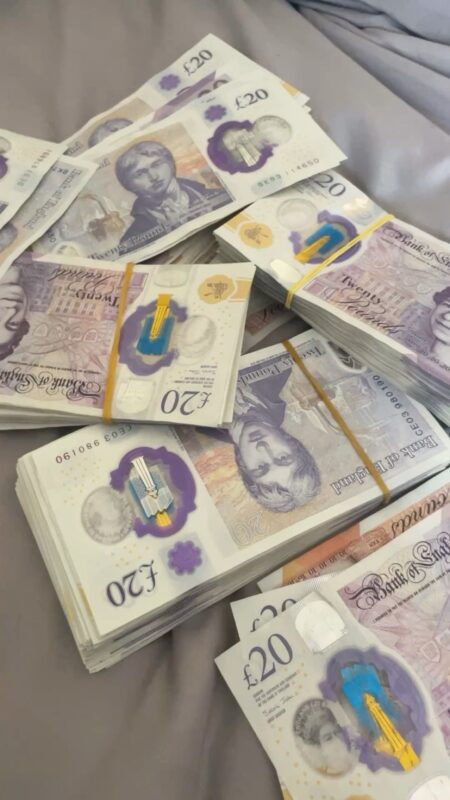
Banknote security features are the invisible guardians of global economies, protecting everyday transactions from the threat of counterfeiting. Every time you hold a banknote — whether it’s a U.S. dollar, euro, pound, or Canadian dollar — you’re holding a piece of advanced science and engineering. Behind the familiar designs of presidents, monarchs, and cultural symbols lies a complex system of watermarks, holograms, UV threads, microprinting, and color‑shifting inks that make modern currency one of the most secure products in circulation.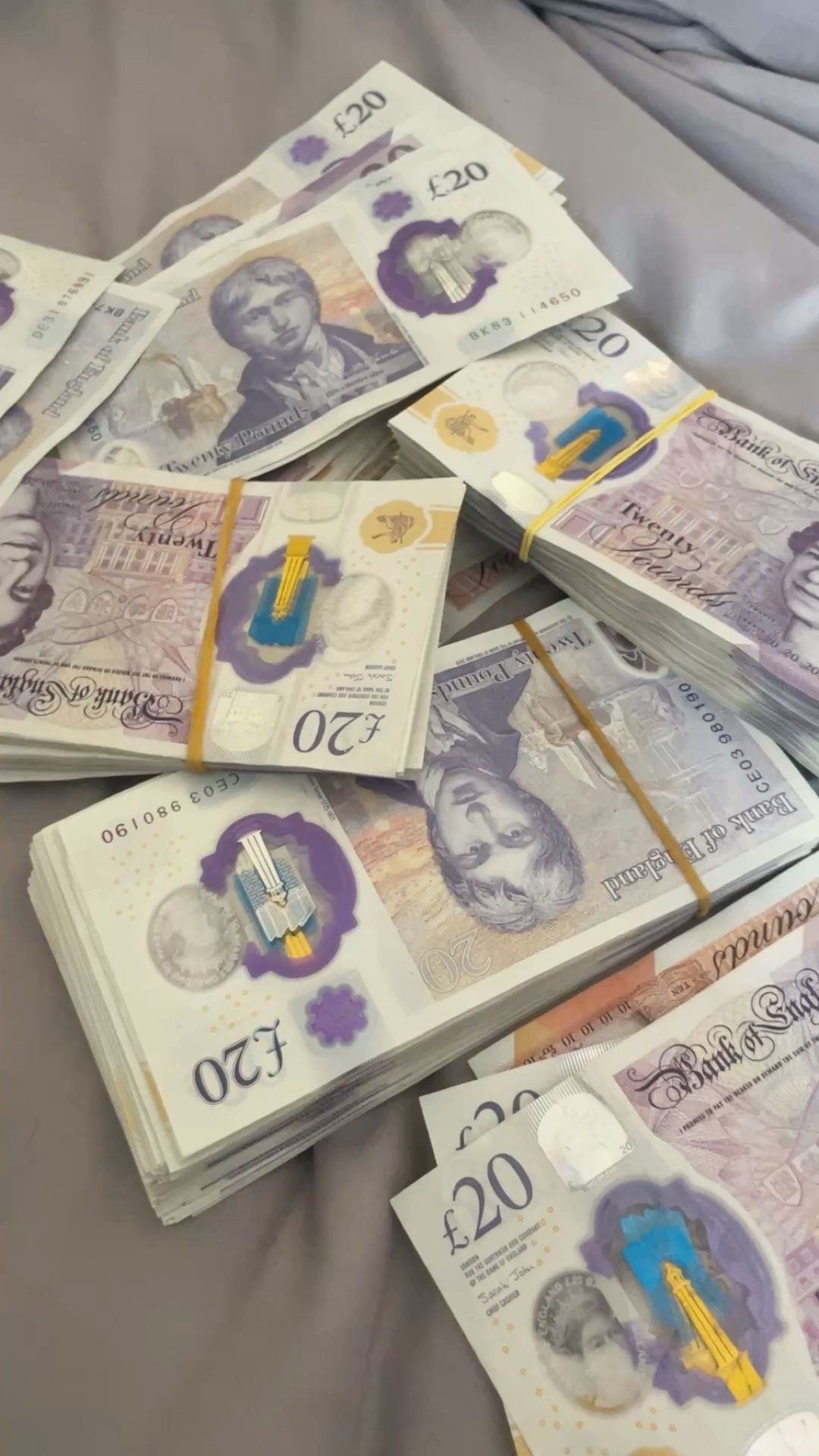
Counterfeit money has been around for centuries, but as technology evolves, so do the methods used to fight it. Central banks and currency designers invest heavily in materials science, optics, chemistry, and digital innovation to stay ahead of counterfeiters. Today’s notes are more than just paper or polymer — they are multi‑layered security documents designed to be recognized by the public, verified by machines, and authenticated by forensic experts.
Understanding banknote security features is not only important for governments and financial institutions but also for businesses and consumers. From shopkeepers checking cash at the counter to travelers exchanging money abroad, knowing how to identify these features helps prevent fraud and builds trust in the financial system. As economies become increasingly digital, physical banknotes remain a vital part of daily life, and their security features continue to evolve to meet new challenges.
This guide explores the science behind banknote security features, explaining how they work, why they matter, and how different countries design their notes to stay one step ahead of counterfeiters.
🧩 Public‑Facing Security Features
- Watermarks → visible when held to light.
- Holograms → foil patches that shift color.
- Color‑Shifting Ink → numerals change hue when tilted.
- Intaglio Printing → raised ink you can feel.
🔬 Machine‑Readable Features
- Infrared inks → detectable under IR light.
- UV fluorescence → glowing fibers under UV.
- Magnetic threads → machine‑readable signatures.
🧪 Forensic Features
- Proprietary chemical signatures.
- Micro‑coded threads.
- Hidden serial number algorithms.
📊 Global Banknote Security Comparison
| Currency | Substrate | Key Features |
|---|---|---|
| US Dollar | Cotton‑linen | 3D ribbon, watermark, color‑shifting ink |
| Euro | Cotton | Hologram stripe, UV fibers |
| UK Pound | Polymer | Transparent window, hologram foil |
| Canadian Dollar | Polymer | Maple leaf hologram, raised ink |
❓ Frequently Asked Questions
🔍 How can I check if a banknote is real?
Hold the note up to the light to see the watermark and security thread. Tilt it to check for color‑shifting ink or holograms. Run your fingers across the surface to feel raised intaglio printing.
💡 Why do banknotes have so many security features?
Counterfeiters constantly evolve their methods. Multiple layers of security — visible, machine‑readable, and forensic — make it extremely difficult to replicate genuine notes.
🌍 Do all countries use the same security features?
No. While features like watermarks and holograms are common, each central bank designs unique combinations. For example, polymer notes in the UK and Canada use transparent windows, while U.S. dollars rely on 3D ribbons and color‑shifting ink.
🧪 What is intaglio printing?
It’s a printing technique that creates raised ink on the surface of the note. This tactile feature helps visually impaired users and makes counterfeiting harder.
🔬 What are forensic banknote features?
These are hidden markers known only to central banks — such as chemical signatures or micro‑coded threads — used for law enforcement and forensic analysis.
⚠️ What should I do if I suspect a counterfeit note?
Do not use it. Report it to local authorities or your bank. In many countries, the central bank or police handle counterfeit investigations.
Adding an FAQ section makes your blog post more reader‑friendly and SEO‑optimized, while addressing the most common queries about banknote security features.
🎯 Conclusion
The science of banknote security features blends chemistry, optics, and materials engineering to create notes that are durable, verifiable, and resistant to forgery. By understanding these features, both consumers and businesses can better protect themselves against counterfeit currency.
