
BLog
📱 Digital Wallets – The Future of Secure Payments 100%
Jul
📱 Digital Wallets – The Future of Secure Payments
🌟 Introduction
As the world moves toward cashless transactions, digital wallets have become one of the most convenient and secure ways to pay. Whether you’re shopping online, tapping your phone at checkout, or sending money to friends, digital wallets combine speed, safety, and flexibility in a way traditional payment methods can’t match.
Managing money in today’s digital age requires tools that are flexible, secure, and accessible. For millions of people worldwide, prepaid debit cards have become the go‑to solution. Unlike traditional debit or credit cards, prepaid cards are not tied to a bank account or credit line. Instead, you load funds onto the card in advance and spend only what’s available — making them a safe, debt‑free way to pay.
This simple yet powerful feature has made prepaid cards increasingly popular among diverse groups. For the unbanked or underbanked, they provide access to digital payments without the need for a checking account. For travelers, they offer a safer alternative to carrying cash abroad. For parents, they serve as a smart way to give teens spending money while keeping limits in place. And for budget‑conscious consumers, prepaid cards are a practical tool to avoid overspending.
The global prepaid card market is experiencing explosive growth. Analysts project it will expand from $3.6 trillion in 2024 to over $21 trillion by 2034, driven by the rise of e‑commerce, mobile wallets, and digital banking alternatives. Consumers are drawn to prepaid cards because they combine the convenience of plastic with the control of cash.
But prepaid debit cards aren’t just about convenience — they’re also about security. Many cards come with fraud safeguards, chip technology, and even virtual card options for online purchases. This makes them a powerful tool for anyone who values financial safety, flexibility, and peace of mind.
In this blog, we’ll explore the key features of prepaid debit cards, their advantages and disadvantages, and how they compare to traditional banking tools. Whether you’re looking for a way to budget smarter, shop safer, or travel with confidence, prepaid debit cards may be the solution you’ve been searching for.
🔑 What Is a Digital Wallet?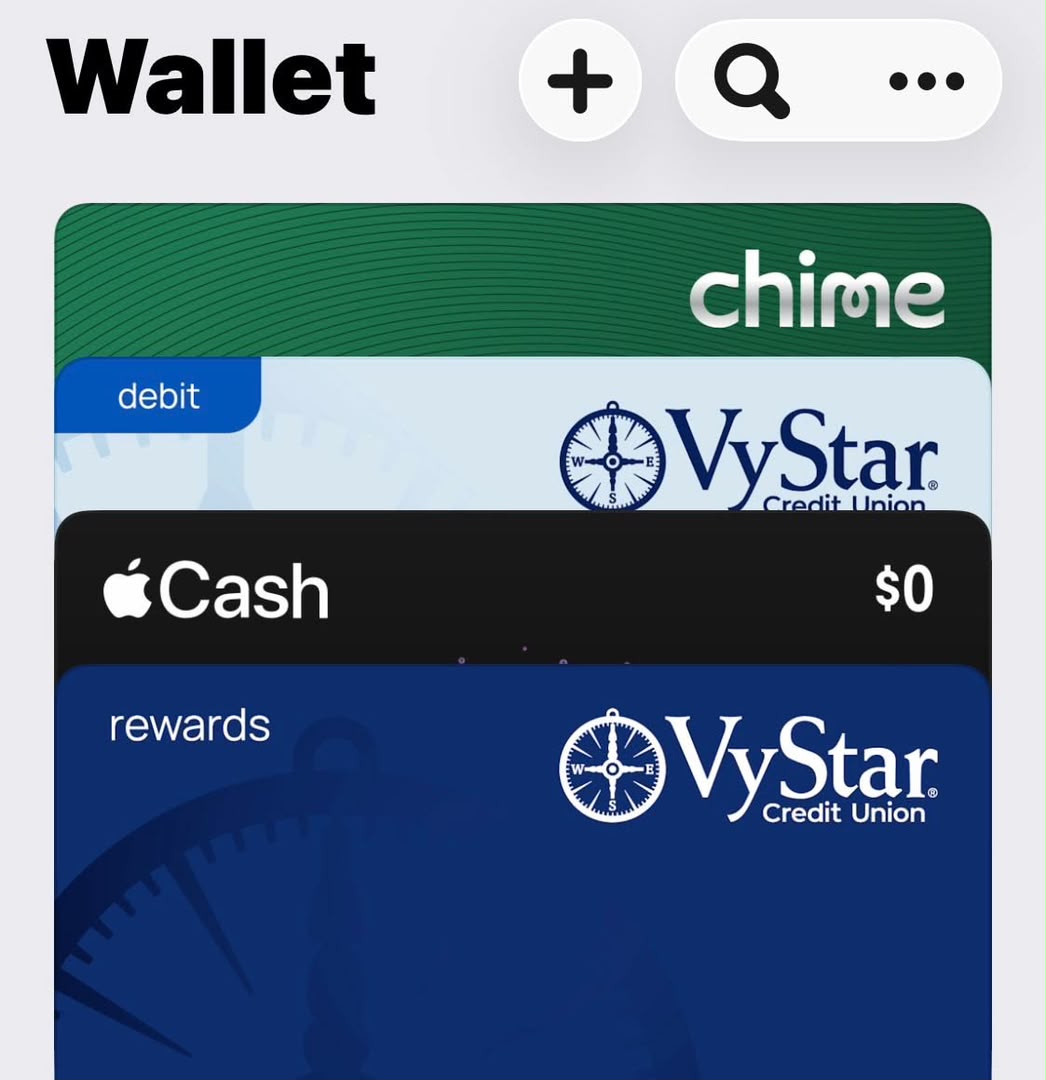
A digital wallet is a software‑based system that stores payment information securely and allows users to make transactions electronically. Popular examples include Apple Pay, Google Pay, PayPal, and Samsung Pay.
💡 Key Benefits
- Security: Encrypted transactions and biometric authentication protect against fraud.
- Convenience: No need to carry cash or physical cards.
- Speed: Tap‑to‑pay and instant transfers save time.
- Integration: Works with prepaid debit cards, credit cards, and bank accounts.
📊 Digital Wallets vs Traditional Cards
| Feature | Digital Wallets | Physical Cards |
|---|---|---|
| Security | Encrypted, biometric | PIN or signature |
| Convenience | Mobile phone access | Must carry card |
| Speed | Instant tap or transfer | Swipe or insert |
| Flexibility | Multiple cards stored | One card only |
⚠️ Potential Drawbacks
- Requires a smartphone and internet access.
- Not all merchants accept mobile payments.
- Risk of losing access if your device is compromised.
✅ Best Use Cases
- Travel: Safer than carrying cash abroad.
- Online Shopping: Extra layer of fraud protection.
- Budgeting: Easy to track spending through apps.
- Everyday Payments: Tap‑to‑pay convenience at stores.
❓ Frequently Asked Questions About Digital Wallets
🔹 What is a digital wallet?
A digital wallet is a software‑based system that securely stores payment information and allows users to make transactions electronically. Examples include Apple Pay, Google Pay, PayPal, and Samsung Pay.
🔹 Are digital wallets safe to use?
Yes. Digital wallets use encryption, tokenization, and biometric authentication (like fingerprint or facial recognition) to protect against fraud. They are generally safer than carrying physical cards or cash.
🔹 Do all stores accept digital wallets?
Not yet. While adoption is growing, some merchants still don’t support mobile payments. However, most major retailers, online platforms, and international stores now accept them.
🔹 Can I link multiple cards to one wallet?
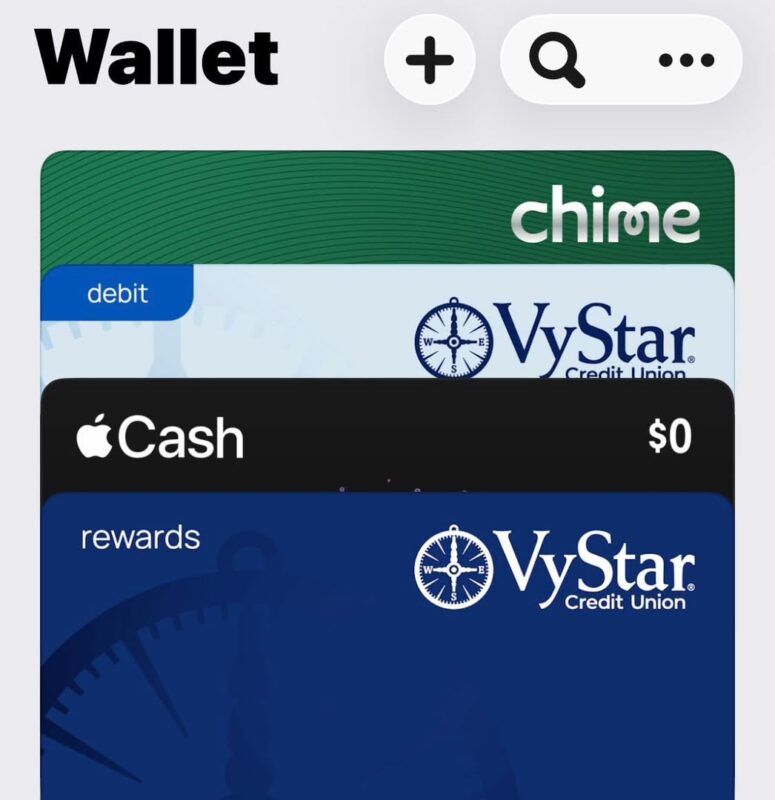
Yes. Digital wallets allow you to store multiple debit, credit, and prepaid cards in one place, making it easy to switch between payment methods.
🔹 Do digital wallets charge fees?
Most digital wallets are free to use. However, some may charge fees for currency conversion, peer‑to‑peer transfers, or international transactions.
🔹 Can digital wallets be used abroad?
Yes. Digital wallets are widely accepted internationally, especially at merchants that support contactless payments. They are safer than carrying cash while traveling.
🔹 What happens if I lose my phone?
Your wallet remains secure. Digital wallets require PINs, biometrics, or device passwords to access. You can also remotely lock or wipe your device to protect your information.
🔹 Do digital wallets replace physical cards?
Not entirely. While digital wallets are convenient, physical cards are still useful as a backup in places where mobile payments aren’t accepted.
🔹 Can digital wallets help with budgeting?
Yes. Many wallets integrate with apps that track spending, categorize expenses, and send alerts, making them a powerful tool for financial management.
🎯 Conclusion
Digital wallets are transforming the way we pay, offering security, speed, and convenience that traditional cards can’t match. As adoption grows worldwide, they’re becoming the go‑to solution for modern payments — especially when paired with tools like prepaid debit cards for added control.
📱 Digital Wallets – The Future of Secure Payments
📱 Digital Wallets – The Future of Secure Payments
📱 Digital Wallets – The Future of Secure Payments
📱 Digital Wallets – The Future of Secure Payments
